
Industries

Industries where downtime is not an option.

Adverro runs in environments where a dark screen is a visible service failure: airport terminals, railway platforms, hospital corridors, store estates, bank branches, hotel lobbies, production floors, control rooms, places of worship and venues.

Each sector has its own page setting out what Adverro covers there, why that sector is different, and a schematic of where the screens typically sit.

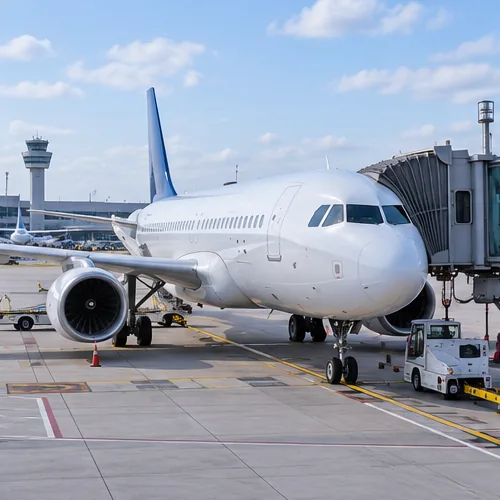
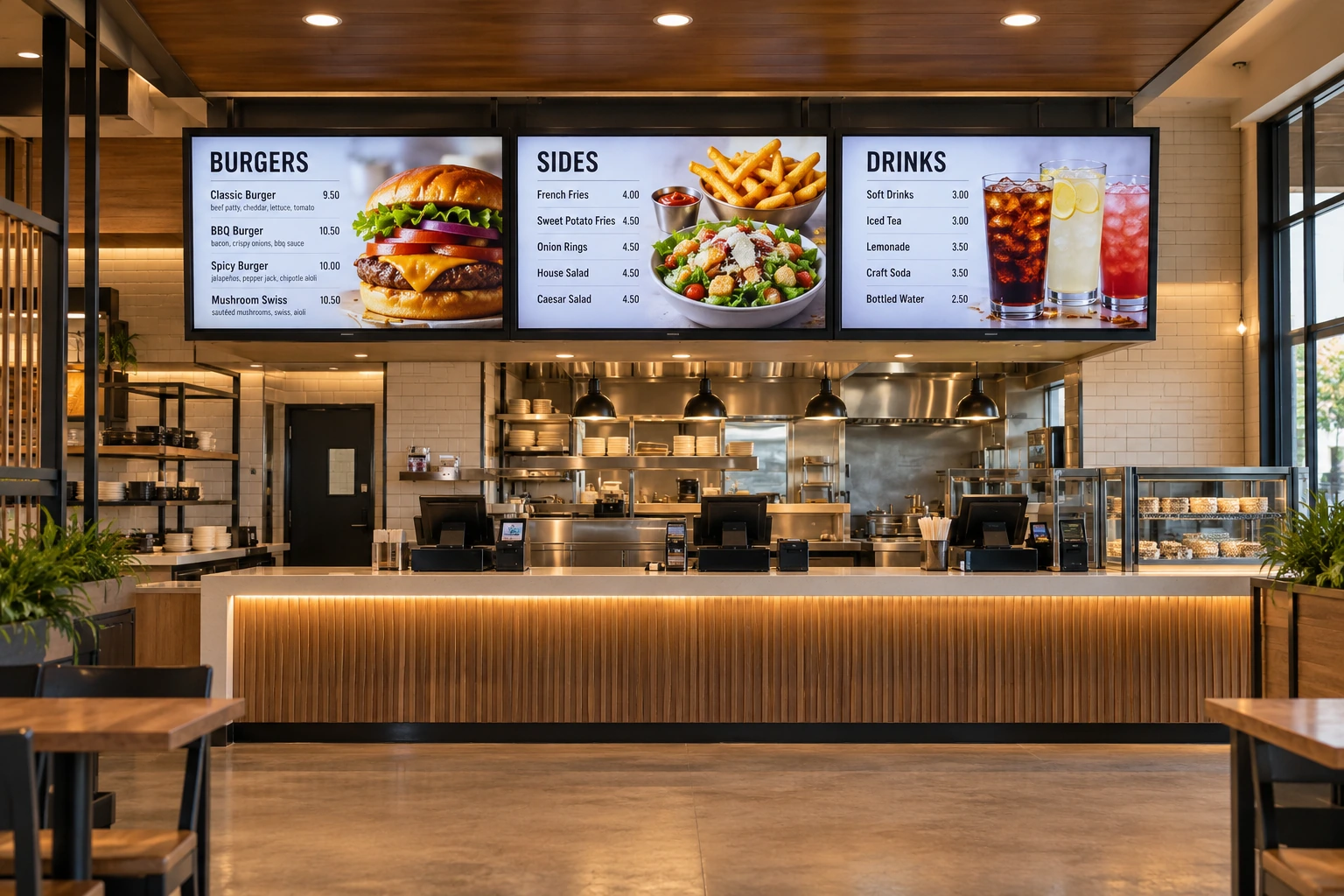
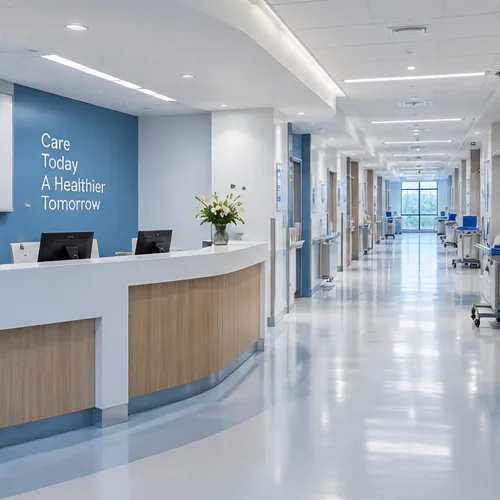
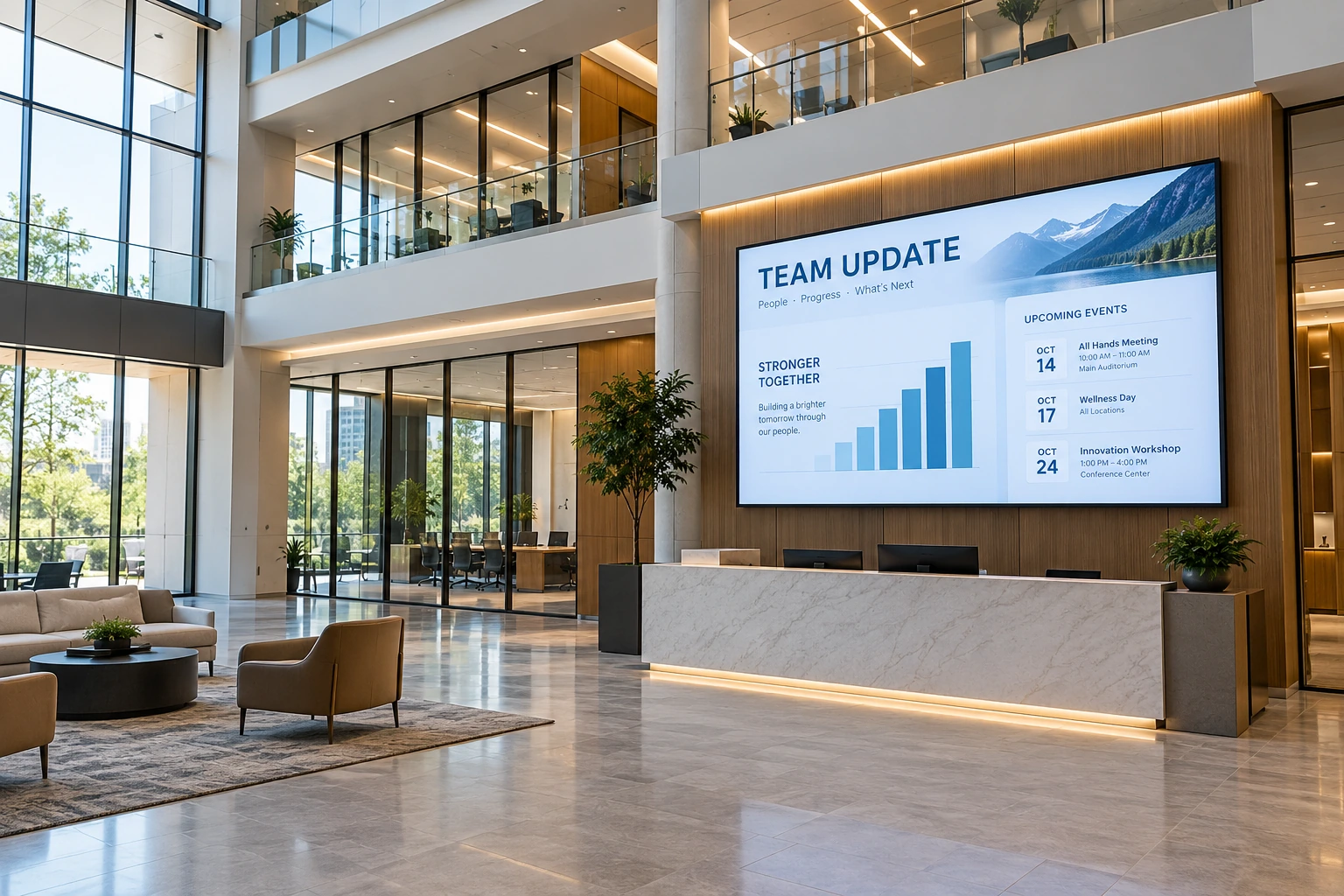
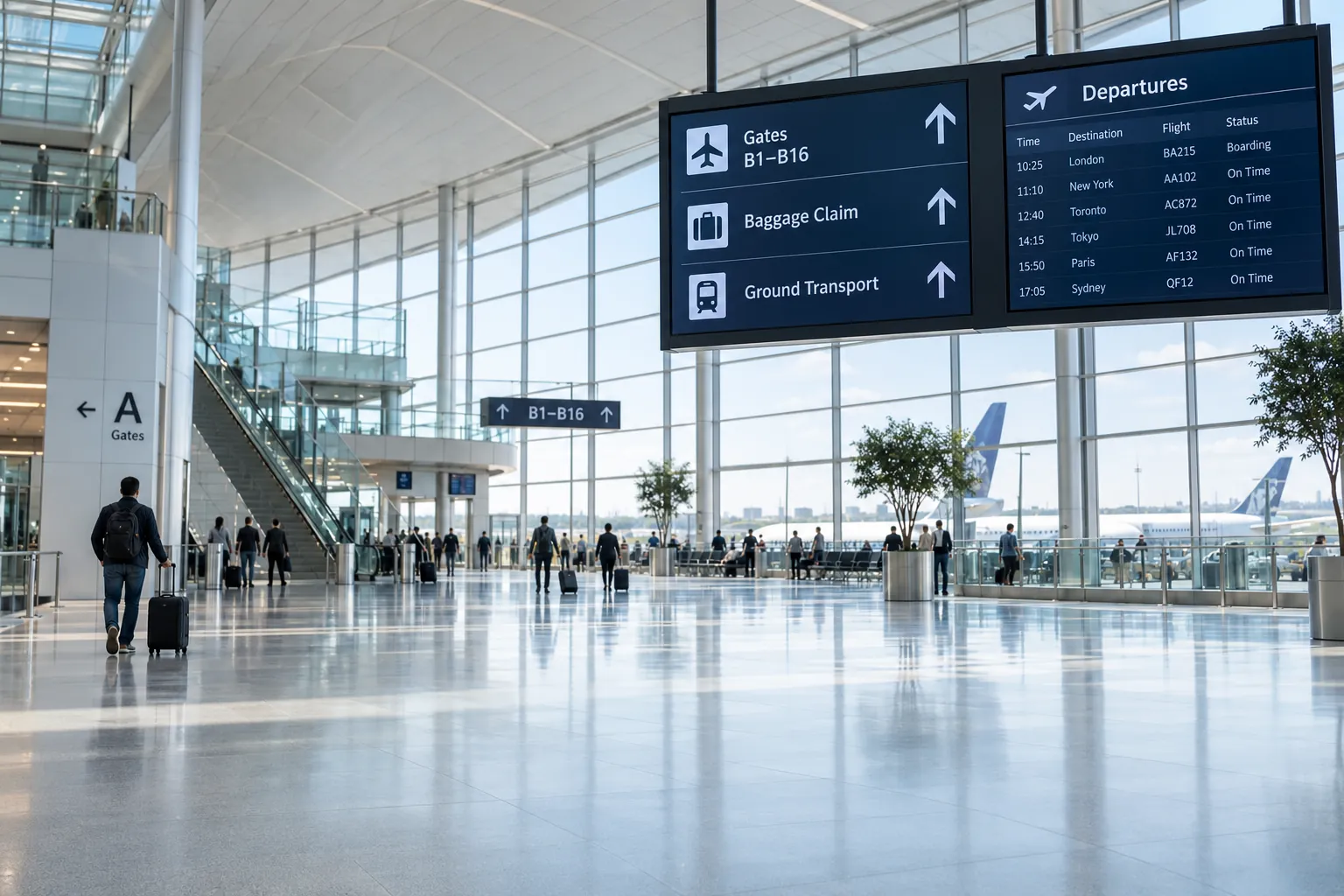
Departure boards in an airport terminal Menu boards above a quick-service counter Wayfinding screen in a hospital corridor Screens in a corporate lobby
Live data

How live information actually reaches a screen.

Every sector above depends on live data of some kind: flight and gate information, menu pricing, queue positions, branch rates. Two mechanisms carry it to a screen.

Departures screen in an airport concourse

A web view on the panel

A zone on the screen can render a URL you control. If your operational system already publishes a display page, a departures board, a queue view, a rate board, that page can be placed directly into the layout and it updates itself.
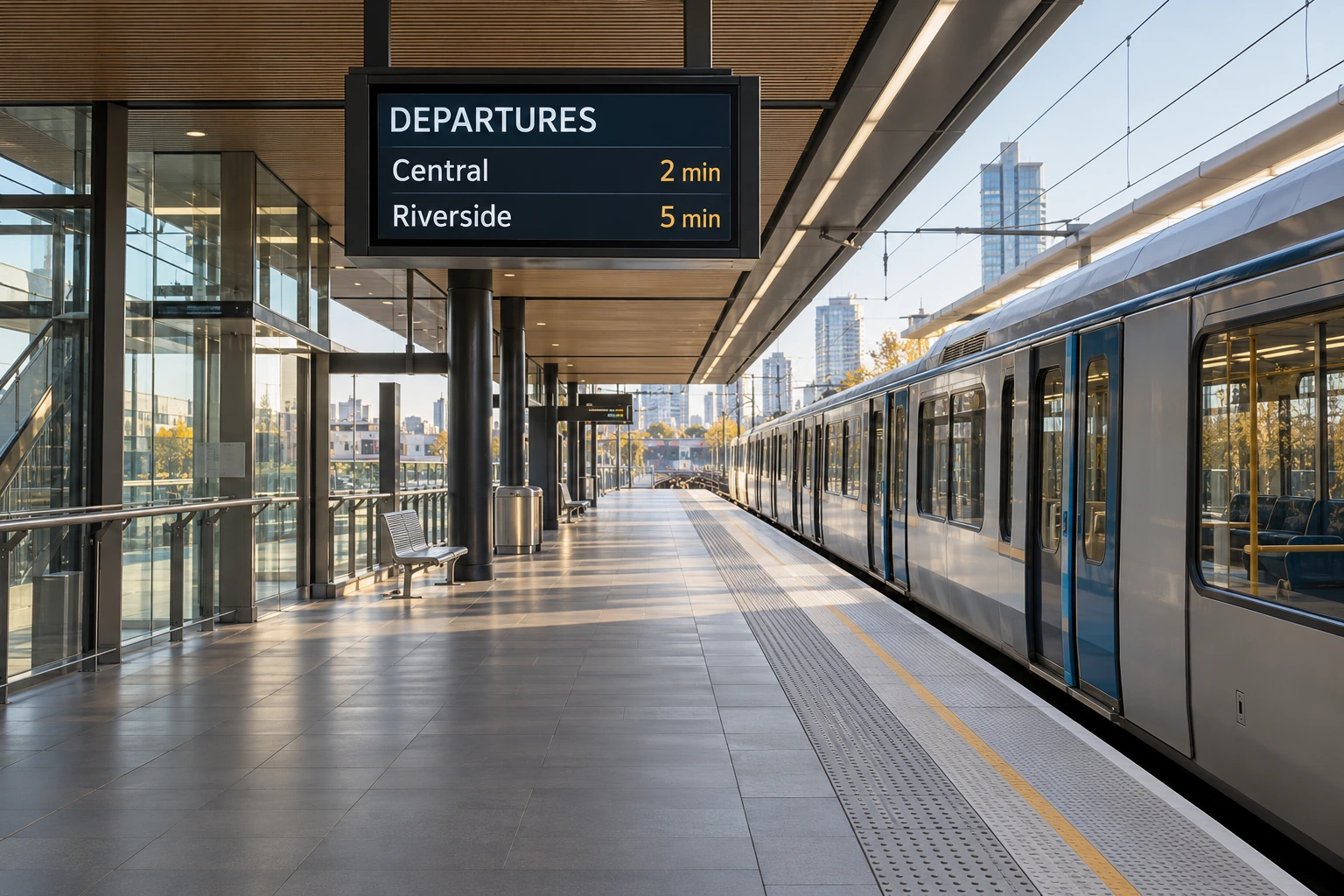
Variables bound into a template

Where you need Adverro’s own layout rather than yours, values can be pulled from an API and bound into an HTML template as variables, so the design is ours and the data is yours.

  • What this means in practice

    Integration work is about your system exposing the data, not about waiting for a connector to be built. If your POS, AODB or queue platform has an API or a web view, the path exists today.

  • When the feed stops

    The default is that the panel holds the last value it received and carries on showing it indefinitely, until something replaces it. It does not blank the zone and it does not display an error. For a departures board that is the right behaviour. For a price it is a decision to take deliberately, because a value that is held is a value that is stale.

  • Two controls that limit how stale a value gets

    A content source carries a configurable refresh interval, so once that interval elapses the panel pulls again instead of sitting on whatever it fetched at opening time. Image-based content additionally carries an expiry time and can be scheduled to start at a given date and time. Both of these bound a working feed rather than an outage: if the source is unreachable when the pull comes round, the last value stays on the panel. Tell us which zones carry priced or safety-relevant content and an engineer will confirm what can be bounded on yours.

  • What integration involves

    There is no shipped, named connector for a specific point-of-sale, flight information, queue or rate-board product. Integration is through a web view or API variables, so the question to settle early is which version of your system you are integrating and who maintains it when that system is upgraded.

What actually differs

Sectors differ less than you would expect.

The requirements converge on the same four things across sectors: content that is current, devices that report their own health, playback that survives a network fault, and an audit trail showing who changed what.

What differs between sectors is narrower, and knowing which of these applies to you shapes the demo.

How visible a failure is

In an airport concourse or on a station platform, a dark screen is seen by thousands of people an hour and often by the client who owns the building. In a corporate campus it is an annoyance. That single difference drives how much of the platform you actually need, more than any feature list does.

Who controls the space

A concession operator does not own the building their screens sit in, so access is negotiated and a site visit is expensive. An office estate can send someone the same afternoon. This is what makes remote fault clearing worth paying for, or not.

Whether somebody is invoiced against the content

Where advertising inventory is sold, playback evidence stops being a nice report and becomes the basis of a commercial claim. Where content is internal communication, it does not.

What the network looks like

Transit platforms and forecourts have connectivity that offices do not. Estates in those conditions depend on local caching behaving predictably rather than on bandwidth.

Adverro is built for estates where at least one of those four applies.

Which deployment scenario fits?

Tell us the environment and we will map the application for you.